

Blog
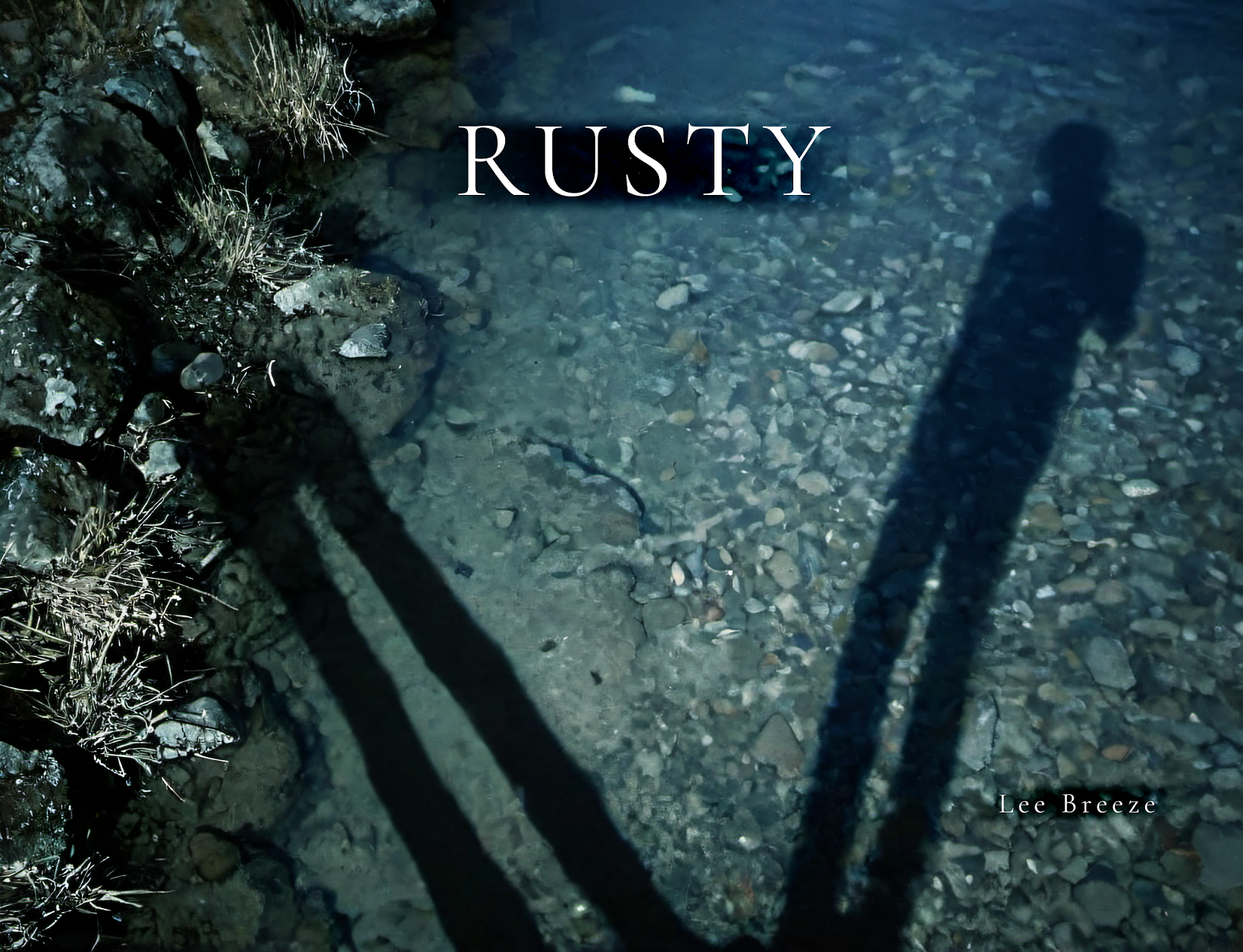
Rusty: Short Story
Rusty pushed past the last branch and stood in my personal space. His heavy breath masked the tranquillity, and it slightly annoyed me. This was the first time he’d come to my secret place, and I couldn’t help but worry he might spoil its magic.
“Oh man, thanks again for the invite,” Rusty said.
“That’s okay, but that’s the third time you’ve said that. Can’t you just enjoy the quiet?”
“But I love caving. I haven’t done it in ages, man. It’s been ages since I’ve actually been out anywhere.”
“You’ve never gone caving, Rusty. You’re not even appropriately dressed.”
“Why, what’s wrong with my drip?” he said, gesturing at his outfit.
“Drip? Rusty, you’re wearing five hundred dollar designer sneakers and a Hawaiian shirt.”
“What are you talking about, man? I look dope.”
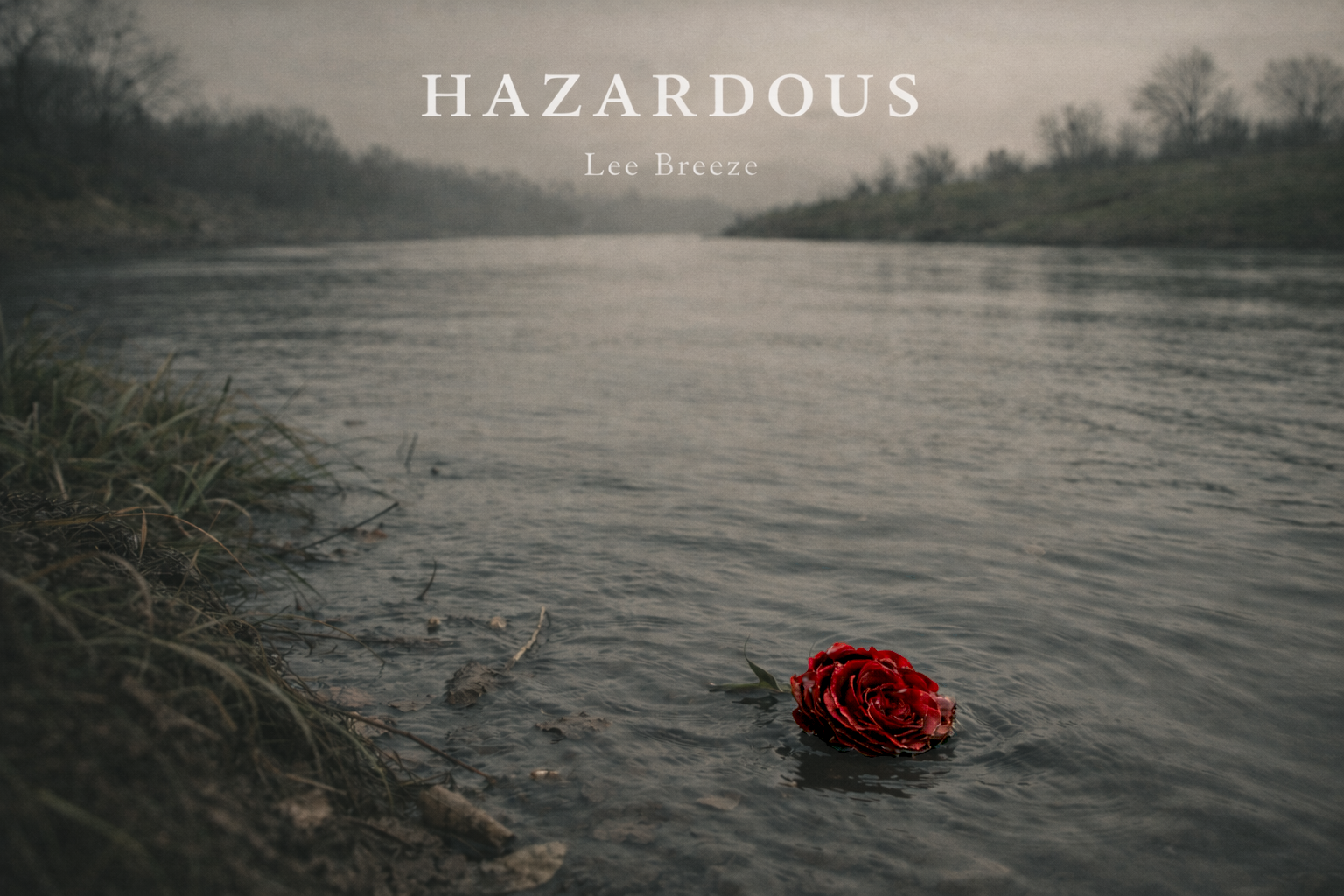
Hazardous - A Short Movie Script
Two early-’90s songs, telling the same story in different keys.
Hazard brings the suspicion; Where the Wild Roses Grow brings the aftermath. Together, they suggest a place where innocence doesn’t disappear — it drifts, and the town decides who it belongs to next.
Hazardous was my first screenplay. Written as an opening scene, it withholds answers on purpose. The story isn’t about who did it — it’s about how quickly we decide.
Interrogation of a Time Traveller
When it came time to decide which of the two I would expand into a larger piece, the choice was unexpectedly difficult. Writing about my friend would have been meaningful, but the limitation of just 1,000 words felt like a disservice. Her life deserves more than a word count cap. Out of respect, I chose instead to expand on Wells’s character and write a fanfiction piece featuring the Time Traveller.
That gave me freedom: a freedom to invent, to experiment, and to engage with Wells’s world without worrying about compressing or oversimplifying a real person’s experiences.
The challenge then became stylistic. I had to keep close to Wells’s 19th-century voice while making it accessible to a modern reader. That tension shaped how I wrote dialogue, how I described scenes, and even how I played with etymology.