
Midnight Still Happens
Editing the Past While Writing the Future
Ready to start week five of my new job, and I'm thinking about time travel. Nothing cinematic, and the reasons are more subtle than wanting to change anything.
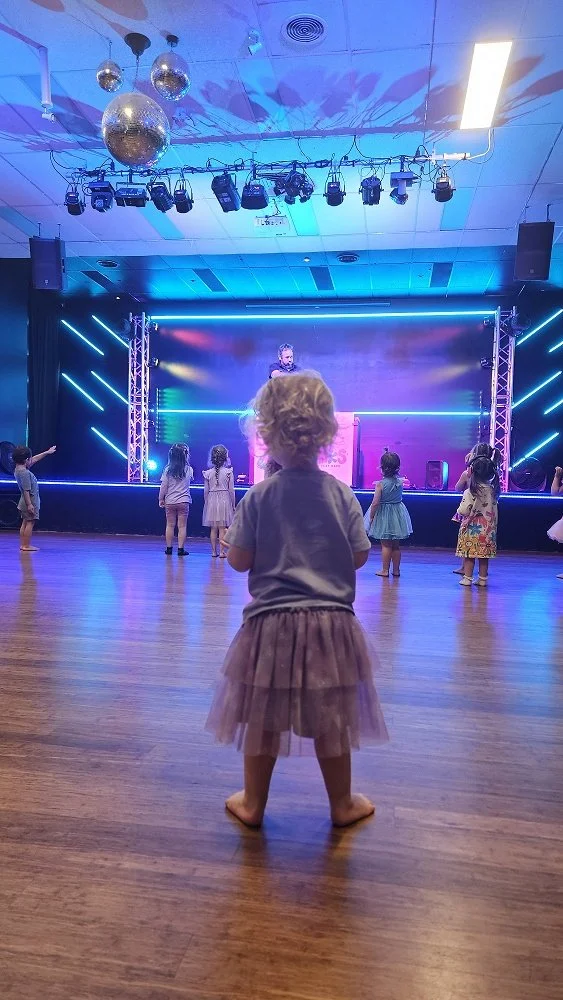
Photo of our girl.
Image carefully chosen for the privacy of others
To explain that, I need to start with the venue.
At heart, Tiddlywinks (external link) is a disco party with a DJ and music suitable for children up to age 11. What ties it all together is a great café with dietary options and two play areas for under-three and four-plus, giving parents a chance to sit, breathe, and actually finish a coffee while their kids make friends on the dance floor. On character days, visiting performers like princesses, K-Pop Demon Hunters or Spiderman take the stage, sending the room electric.
We discovered Tiddlywinks after being invited to a friend's birthday party, and then our girl had her birthday party there. We keep going back because she loves the dancing and the friendly chaos.
I also happen to work there now as one of their baristas.
It's my first job since before our daughter came into the world, and it’s more physical than anything I've done in a long time. Most shifts leave me properly tired in a way that sitting at a desk never did.
Then there’s midnight. The writing doesn't really care how the day went, and midnight still happens, some nights faster than others.
The days with work are stark contrasts — constant music, parents, children, noise — then home: cooking, news, family — and then the house is quiet, and everyone is asleep. Something from the day carries over, but it takes on a different shape. What's left isn't useful for refinement. It's looser than that, and it’s where blog posts are born, and new chapters begin. Frustratingly, this is also when new stories shake loose, and I have to chase that thought before it disappears, or that fresh idea won’t let me continue with my current story.
-Sigh- Shiny things…
Burn the Sky: book 2 Redemption is in its final chapters for re-release. Edits, tightening, fixing things that didn't sit right the first time through. At the same time, the next trilogy is moving forward with new ideas, structure and its own problems.
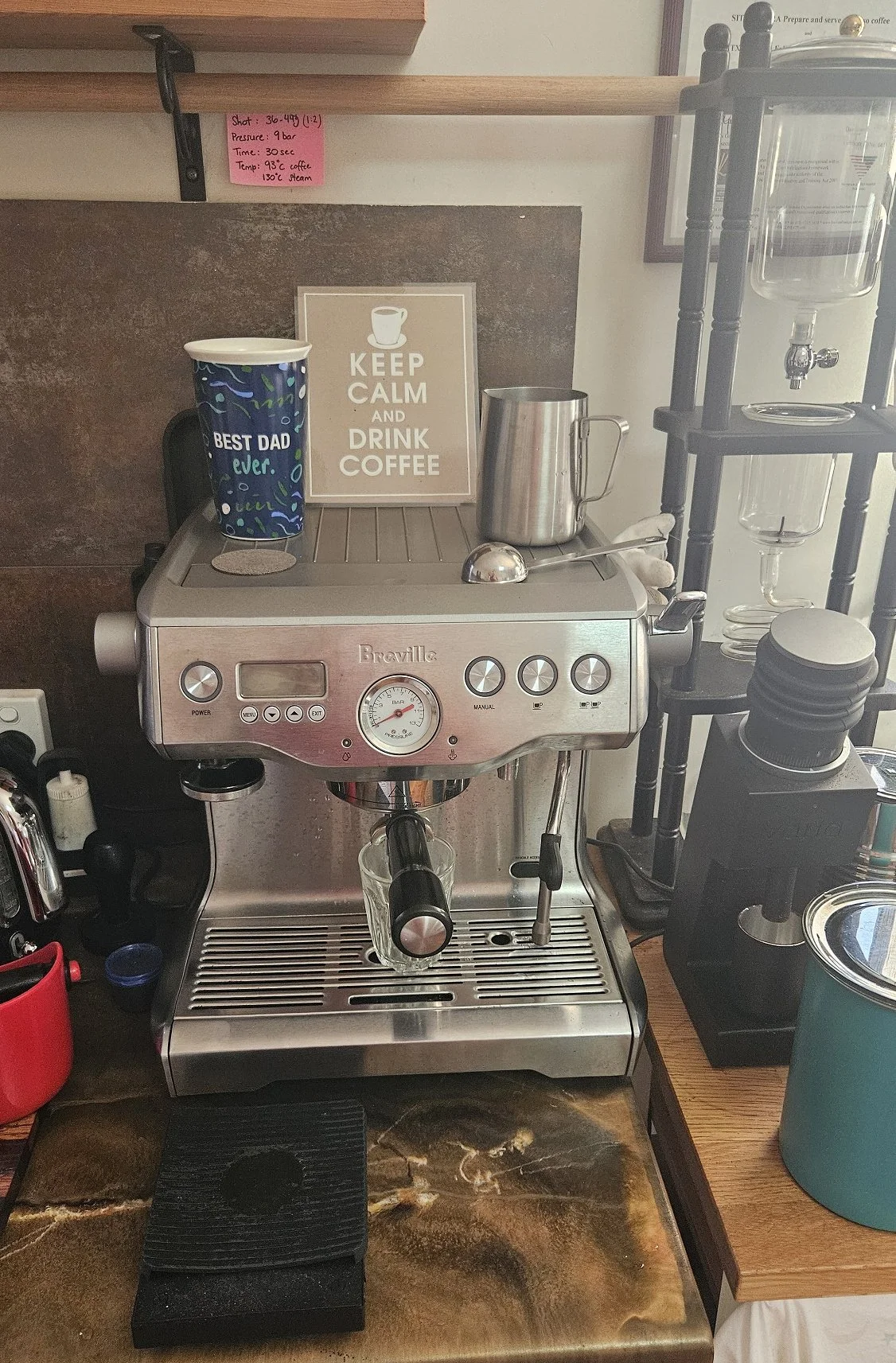
Getting better here —
And here's the strange part.
The old story is fixing the new one. The new story is fixing the old one.
Learning While Looking Back
Editing has changed the way I write, and not just in the sense of cleaner sentences or tighter scenes — it's a deeper understanding of the characters, seeing what they would do instead of what I needed them to do at the time.
Early in the Burn the Sky books, the context and prose are rougher because Jayne, the main character, is younger with limited agency, reacting to the world around her because that's all she can do. As the story progresses, the writing sharpens with her — her decisions begin to carry weight, and the reader feels it.
That wasn't planned; it's just what happened as I got better at understanding the story through editing. If you haven't read the first book yet, it's available here.
The Trap
There's a moment when you realise you could go back and fix everything; rewrite the early chapters and bring the whole book in line with the latest edits, and smooth it out so the style is consistent from start to finish.
It's tempting, because technically, it can always be better. One more pass or one more tweak, and then another after that, because that skill keeps improving and understanding keeps changing, and the book keeps moving just out of reach of being done — it’s a giant roundabout with no exit.
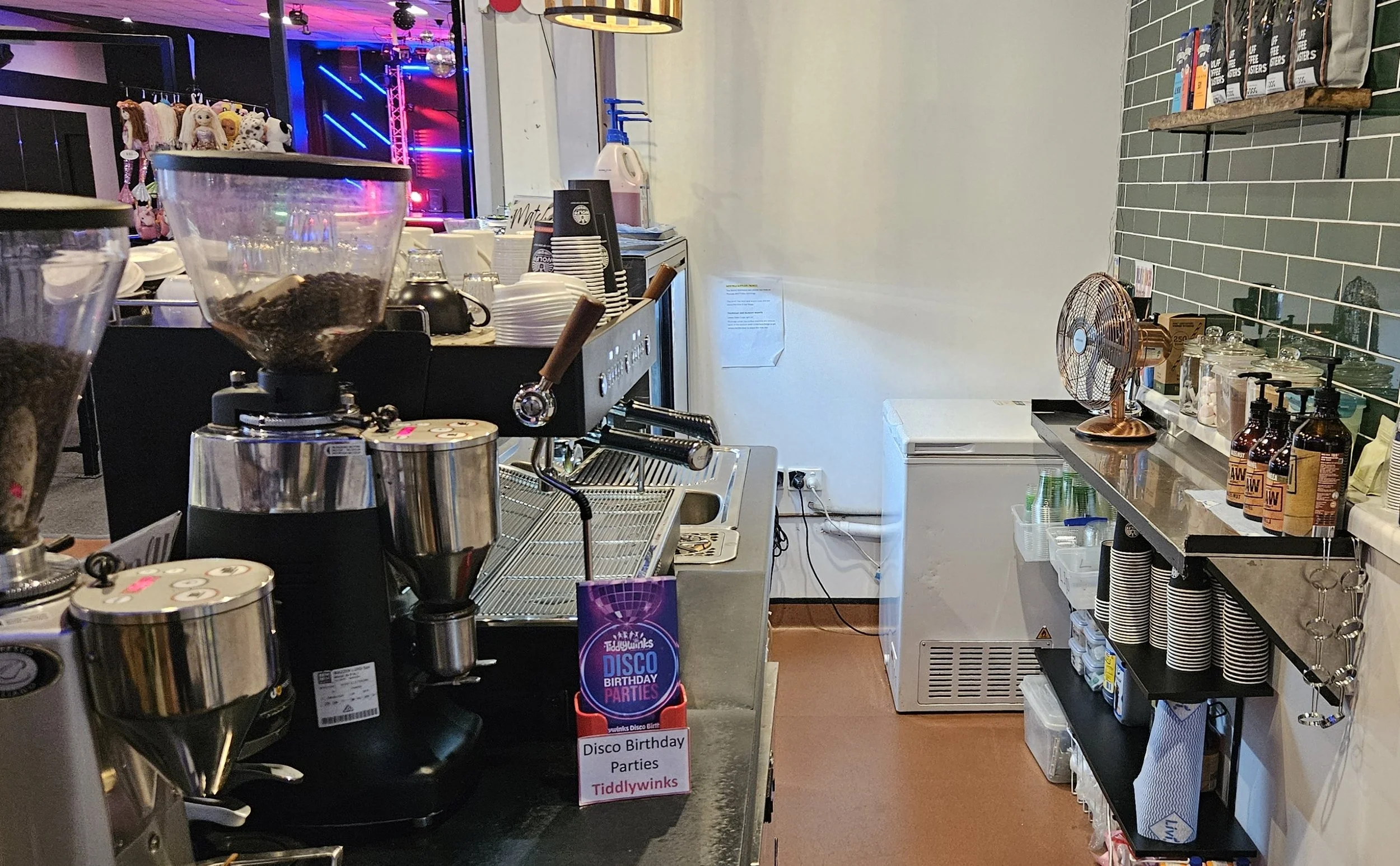
— Made me better here
At some point, the problem stops being about quality and becomes hesitation or procrastination, running on diminishing returns.
Letting the Story Stand
So, I didn't go back and rewrite the early chapters — I left them, not because they're perfect, but because they're honest.
Jayne is young when the story begins, and the writing reflects that — narrow, reactive, and survival-focused. She doesn't have the context to interpret what's happening around her, so she just lives through it.
As she gets older, the prose changes with her. She remembers differently, interprets instead of reacts, and now the same moments carry new depth.
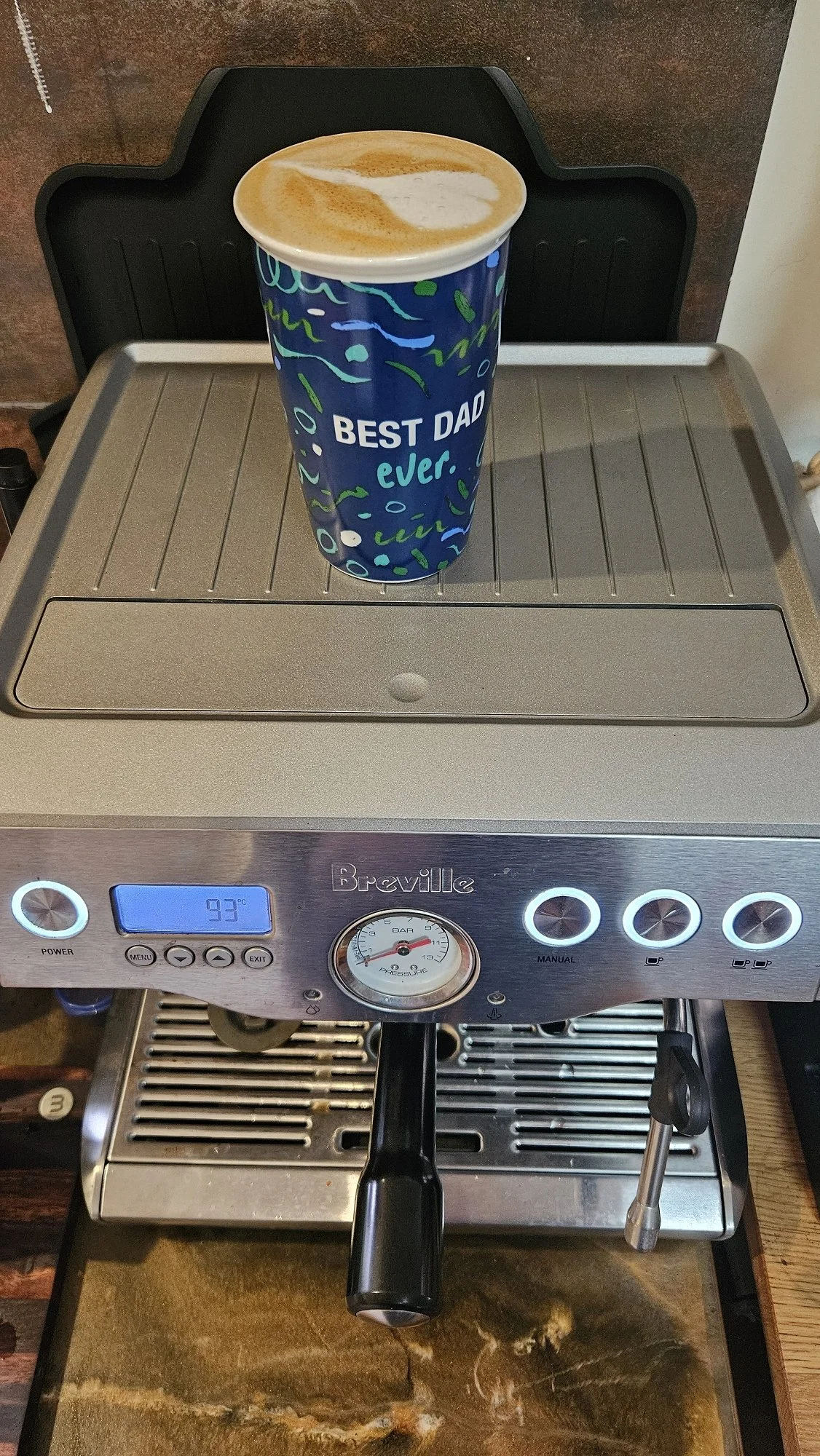
… that made me better here and so on.
Rewriting the early chapters to match the later ones would have smoothed out something that was supposed to be rough. The unevenness isn't a flaw; it's the character growing up on the page.
The writing didn't improve, Jayne did.
Her voice remains consistent throughout, but the clarity of her actions changes. Early on, she tells you what's happening because that's all she can do, and later, she shows you and trusts you to keep up. The reader gains more as the prose improves.
Fitting the Pieces Together
Working on the next trilogy made this clearer, and this is where the time travel thread comes from, and the opening starts to make more sense.
The trilogy is loosely based on untrue events from roughly 10 years ago. All names have been changed to protect the fictional characters. Deterministic time travel is woven into every part of the story, and if I wrote it all out, it would be a short story in itself.
All of this timeline is difficult to write out, and so just lives in my head until more of the books make it to paper — ah, screen.
The best plot holes are solved somewhere between the first coffee and the realisation that a second one was already made.
What editing gave me was a clearer picture of the relationship between the protagonist and the antagonist. The pause in this was where the actual conflict came from, and it had been sitting in front of me since chapter one and written crudely into the epilogue. It just took the story giving me a better angle to finally see it.
Characters begin to shape the story around them, and when that happens, the answers tend to surface on their own.
When the first two books of the trilogy are closer to ready, I’ll post chapter one right here on my blog.
The Version You Put Into the World
There's a point where you have to stop, because there will always be something to change. Editing can continue forever if you let it, as your style keeps evolving, ideas keep improving, and every pass finds something new.
But too much of it starts to work against you.
Coffee doesn't write the story, but it's been present for most of the important decisions.
There's a certain point during editing where you stop improving the story and start second-guessing it. One pass too many and you're not refining anymore; it’s painting over something that was already finished. The stroke that ruins the painting isn't always a big one; sometimes it's the small change you didn't need to make.
At some point, you have to decide: this is the version of the story I'm putting into the world. Not the perfect version. The finished one.
At home, the coffee was regular — functional, familiar, getting the job done. The day job changed that. Same beans, same water, but the skill to make something better out of both. The person making coffee at 9am and the person writing at midnight are running on separate timelines, fuelled by the same thing, working toward the same story. The writing works the same way — the raw material was always there, but editing refined it into something worth drinking.
No one reads the version you almost published.
