
Wing Commander (1999): Almost a Cult Classic
A quick note before we start: I’m not a military person, and I haven’t done a deep dive into armed forces protocol to stress-test this film against reality. What I noticed, and what I’ll be talking about, is a general lack of structured formality. The sense that nobody in this movie quite behaves the way you’d expect people to behave when they’re, say, defending humanity from extinction. Also, I’m treating this largely as a standalone film rather than a faithful adaptation of the games or books. Wing Commander veterans, feel free to wince quietly alongside me.
There’s a particular kind of film that carries so much goodwill into the cinema that it takes genuine effort to squander it. A beloved property, an established fanbase, enough source material to fill several sequels, and somehow, the filmmakers look at all of that and decide the best approach is to hire a new intern to write the script.
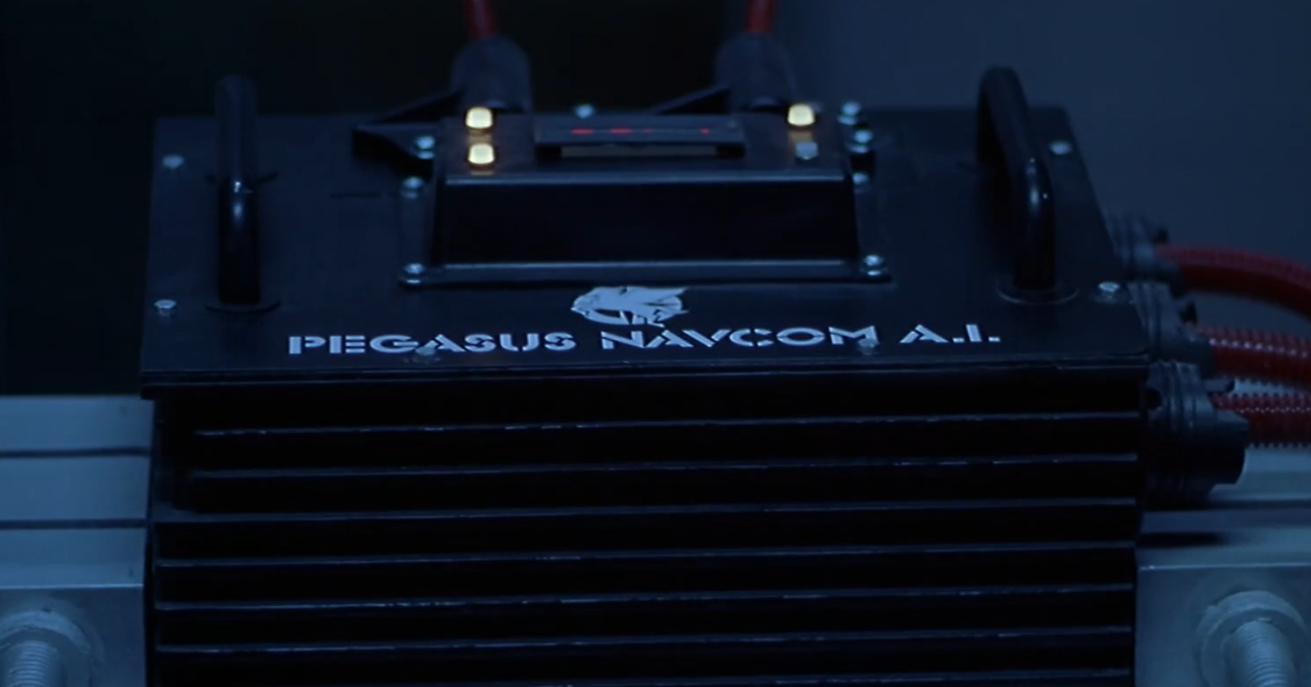
MacGuffin AI - forgotten about for half the movie
Wing Commander is that film.
Released in 1999, based on the long-running space combat game series and at least six books (at the time) of the same name, Wing Commander had every reason to work. The games had already given audiences a narrative framework: humanity locked in an existential war with the cat-like Kilrathi, pilots risking everything to defend Earth, with player-character Christopher Blair at the controls. The franchise even had full-motion video cutscenes featuring actual actors. It was practically pre-visualised for them.
And yet.
The Setup
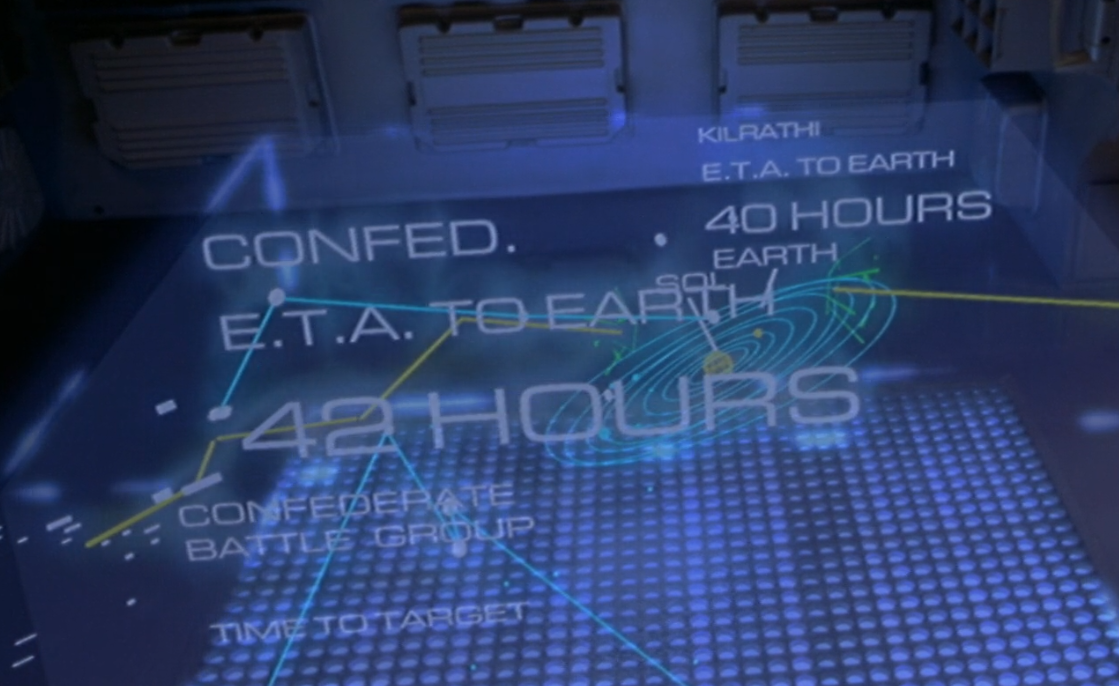
What’s wrong with my maths?
To be fair, the film doesn’t waste time. Within the first five minutes, a prologue during the credits establishes the setting and introduces the NAV AI. This is a device that can calculate jump points for an entire fleet, essentially the war’s master key, and sketches out the state of the conflict with the Kilrathi. Then the movie starts at the year 2654 with the fastest plot-delivery mechanism I have ever witnessed.
A radar operator leaves his post for just a moment, and this is when a Kilrathi attack fleet starts — well, attacking. Where did they come from? Not in the strategic sense, which would be interesting, but in the literal sense: there is simply no explanation for how an entire enemy armada appeared without any prior detection. A simple line from someone saying the fleet had jumped in would have fixed this. This would also take away the silly story device of the radar operator stepping away. The station is destroyed, the NAV AI falls into Kilrathi hands, and we’ve done all of that in under five minutes.
It’s not efficient storytelling. It’s storytelling that forgot to pack the tickets and illegally rode the rest of the movie, looking out for ticket collectors instead of pickpockets stealing its credibility and plot.
The stakes are then helpfully explained to us: the Kilrathi can reach Earth in 40 hours. Our fleet can reach Earth in 42 hours. Someone repeats it and then says — and I’m paraphrasing only slightly — “a mere 2 hours could decide the outcome of this war.” Thank you. I had not done the subtraction.
Meet the Characters
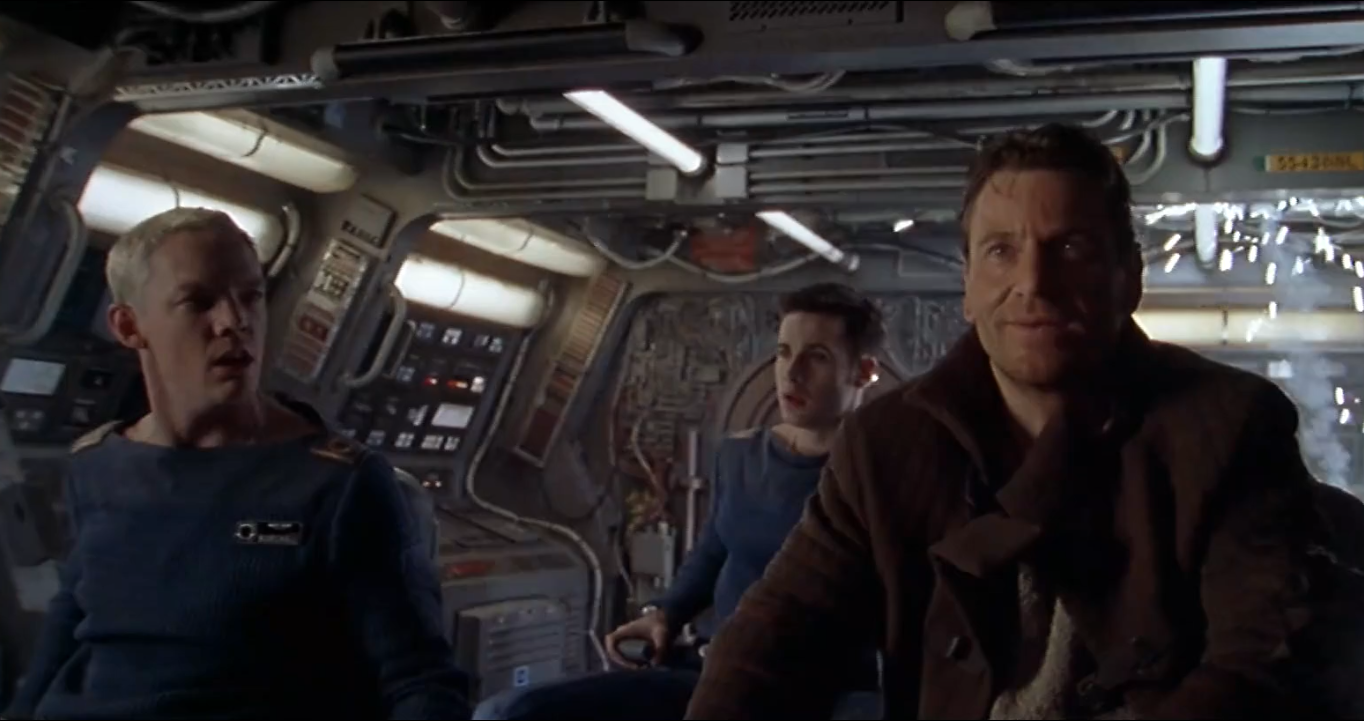
What? Why didn’t you follow orders?
Blair (Freddie Prinze Jr.) is a half-Pilgrim — Pilgrims being a group of humanity’s early deep-space explorers, now regarded with deep suspicion. This is the film’s recurring dramatic device, and I use the word “recurring” generously, because what the film actually does is have someone make a contemptuous comment about Blair’s heritage every third scene with the regularity of a Paris train.
We get it; he’s different, and they don’t trust him. Please move along without the racism.
His wingman is Maniac, played by Matthew Lillard, doing exactly what you would expect from Matthew Lillard in 1999: dial up his acting to eleven and leave the knob there. Maniac is reckless, loudmouthed, and exists primarily as the recipient of exposition. Someone needs to be told things, and Maniac is the character the script has assigned to receive them. It’s not subtle, but at least it’s functional.
The film has a problem with timing its character work. It tends to invest in people either too early or too late — setting up emotional beats before we care, or revealing character depth right before the exit. The developing romance between two of the pilots is set up, only to telegraph the fatal moment that follows the next combat scene.
The Science Problem
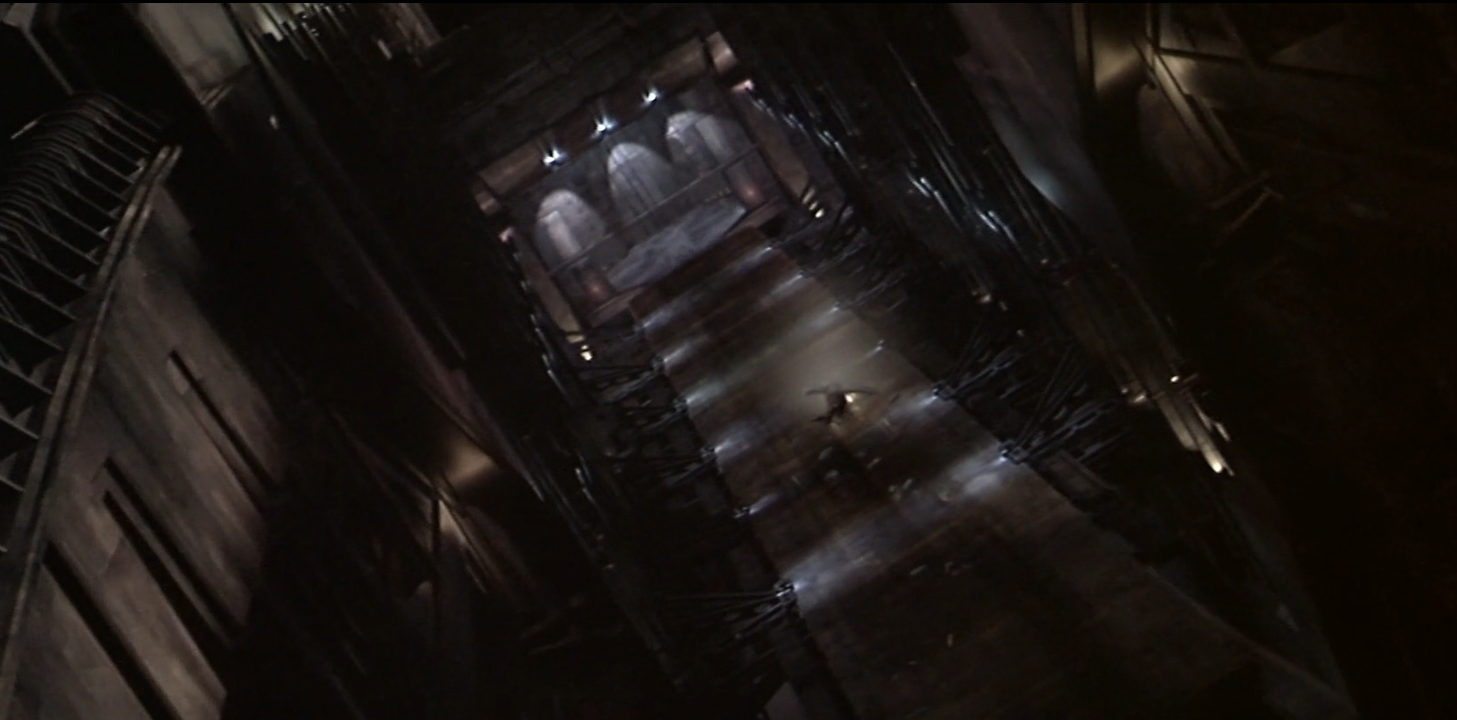
Fighter “plane” crashed on the runway in micro-gravity
Wing Commander takes place in space and is established in the first scene. There’s a science you’d expect from being in space, laws of physics or at least the laws of the movie, but it all seems to be ignored between scenes.
The fighters fly as though they are in an atmosphere — banking, pulling up, running on fumes (where are they going if they run out, fall?), performing barrel rolls along the runway and coming into the hangar at top speed, inverted and then flipping at the last moment. This should have resulted in a court-martial and losing their wings. Hang on, there’s a runway? In space. Then the fighters drop off the end after takeoff, as though gravity just remembered it had a job. In space.
At one point, the ship is hiding from an enemy destroyer, and the order is to stay quiet in case the enemy hears them. In space, a vacuum. Sound doesn’t travel through a vacuum — this is not an obscure physics footnote, this is the premise of the phrase “in space, no one can hear you scream.” The film does not merely bend this rule; it folds it into a paper plane and throws it out the airlock.
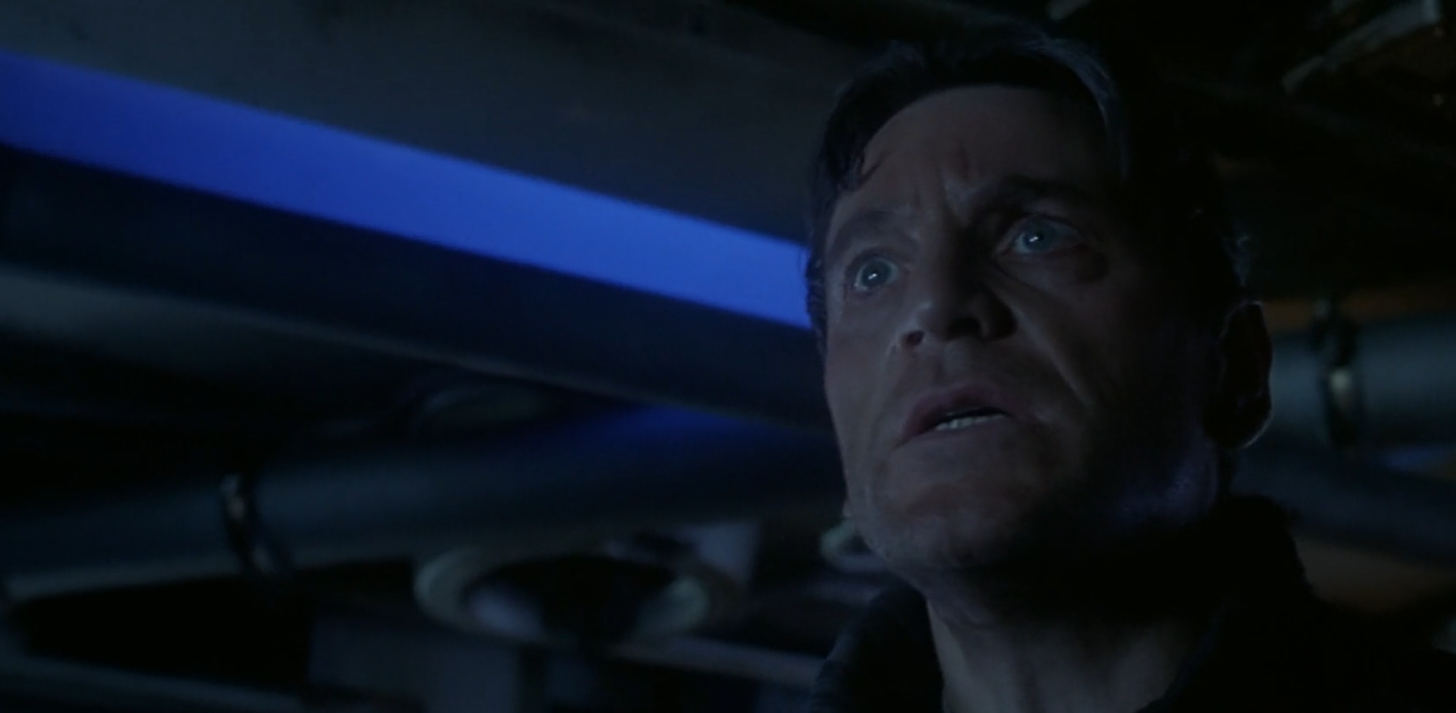
Quiet, or sound will travel through a vacuum
What follows is a sequence of genuine submarine warfare. Depth charges; active sonar pings echoing through the bridge. When a spaceship hid behind a debris field and waited to see if the enemy’s active sonar picked them up, I had questions.
Meanwhile, the reactor is running at 110%. It’s then pushed to 120%. The captain seems to believe this will make the ship significantly faster. And then there’s the torpedo run. The torpedoes, we are told, are “too heavy.” In space. Where there is no drag and micro-gravity.
It seems even major injuries are fixed by bandages and a short rest. Even Sorcerers and Wizards from D&D need a long rest.
I’m not sure if the movie was using plot or a Magic 8 Ball to work out what happens next.
The Chain of Command (Or: What Chain)
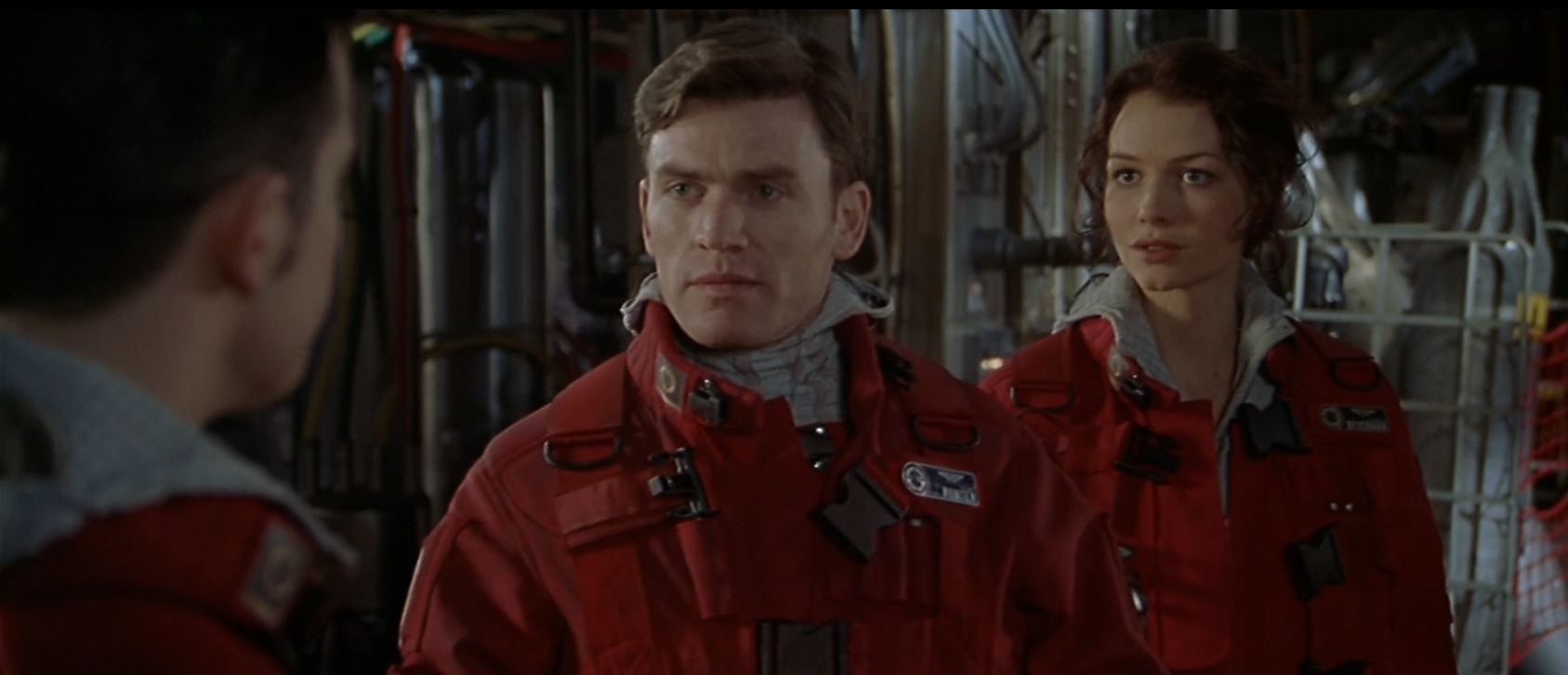
Another racist jab before the worst line in the movie - “Did I just give a suggestion or an order?”
Nobody in Wing Commander follows an order without first questioning it, arguing about it, ignoring it entirely, or going ahead and doing the opposite. There are too many examples to work out which is the best or worst to list here.
There’s a difference between a character who breaks the rules and faces consequences and a film where everyone just does whatever they want, and the plot shuffles itself around them.
The most egregious moment comes when, with every minute counting for Earth’s defence, Blair decides this is the right time to fly back and look for Angel. Every minute counts, of course — except apparently that one.
The Good Intentions
It would be easy - and I noted quite a bit of it while watching the movie - to simply give you the list problems, but it would be like reading a shopping list. But Wing Commander is not an incompetent film so much as an unfocused one. The production design has a lived-in quality that fans of the games would appreciate. There are ideas in here that are genuinely interesting: the Pilgrim mythology, the NAV AI as a war-winning MacGuffin, the generation-spanning human conflict. The film clearly wants to be a space opera with emotional weight.
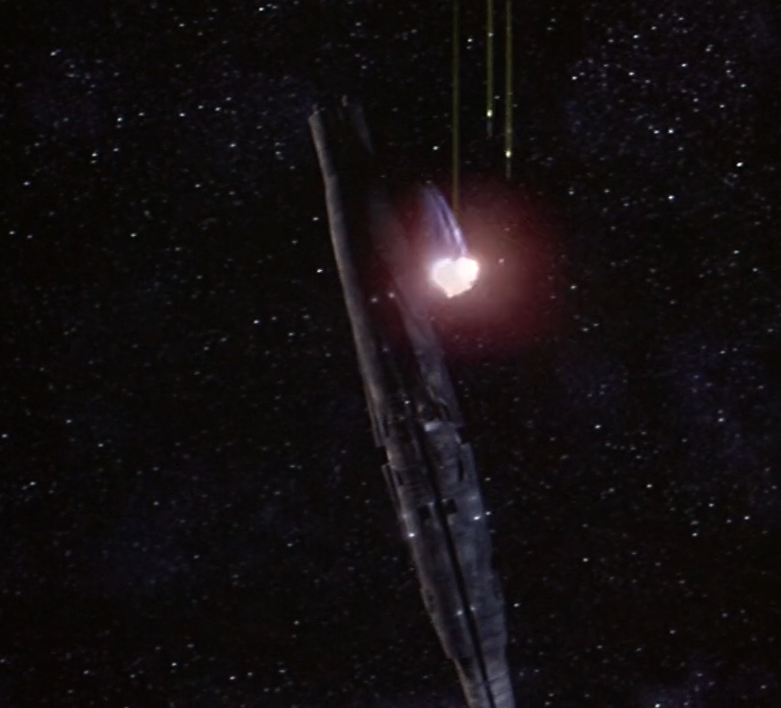
Torpedoes hitting the shields of the sub-ship
It just doesn’t know how to get there.
The dialogue lets the cast down repeatedly. There’s a scene late in the film where Angel is rescued from her ejection pod, apparently having run out of air, and Blair does the old movie standby of dramatically telling her not to die. At which point she coughs. The human body, deprived of oxygen to the point of unconsciousness, does not produce a theatrical single cough on command. But the film needed the beat, so there it is.
How to Fix It
Wing Commander thinks it's telling a story about prejudice wrapped around a NAV AI brick, but it throws the lot through the window.
What it's actually doing is running the oldest shortcut in the genre: the outsider's despised difference saves the day, everyone feels vaguely bad about how they treated him, and the credits roll before anyone has to reckon with anything. That's not a theme. That's a plot convenience with a conscience retrofit.
This trope is sometimes referred to as the “magical minority”.
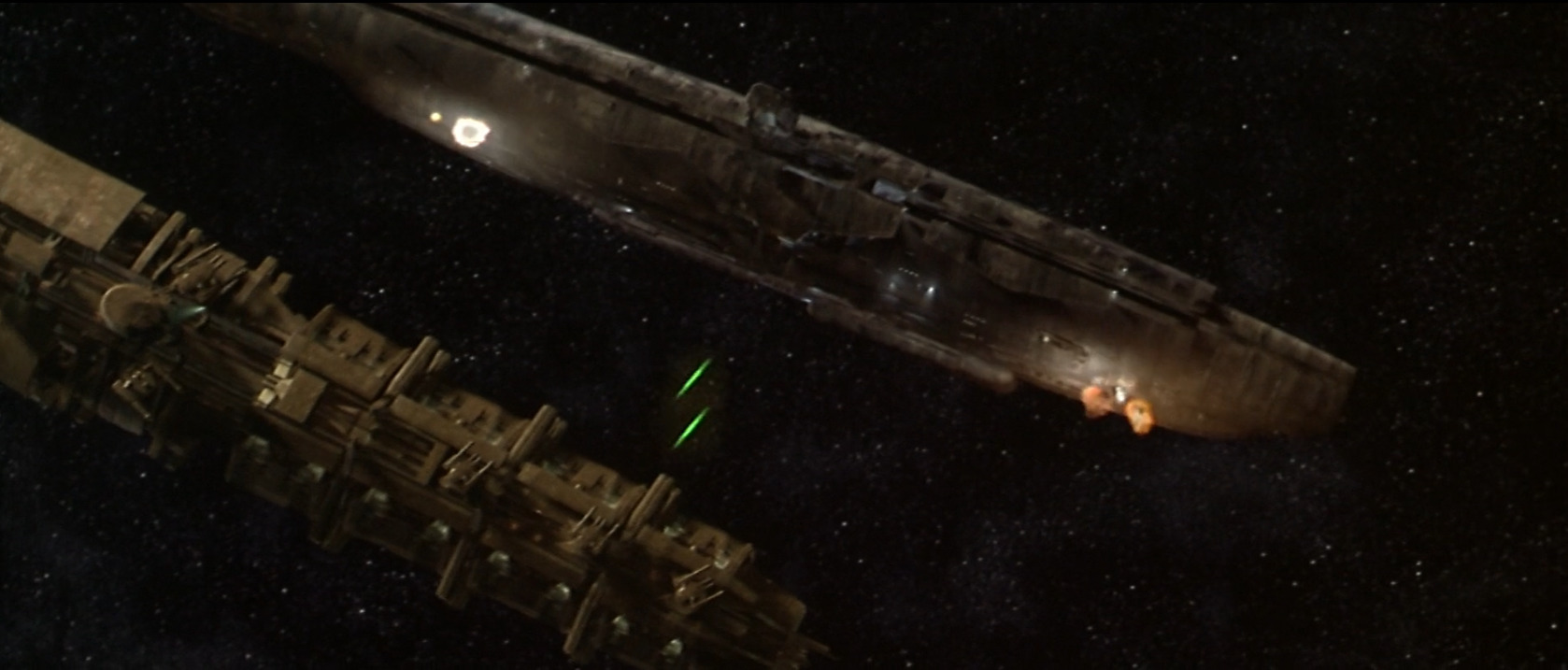
Give them a broadside - submarines to tall ship combat
The tragedy is that the raw material for something genuinely sharp was already in the script. Blair's Pilgrim heritage — the instincts, the spatial awareness, the ability to navigate where computers can't — is interesting. The prejudice directed at him could have created real dramatic friction: command decisions made against him, missions that go wrong because his abilities were dismissed, moments when the cost of that bias falls on others, not just Blair. Instead, the film cycles through the same contemptuous remarks on a loop and saves the payoff for the finale, where Blair's genetics conveniently rescue the plot. The prejudice isn't proven wrong, it's just proven temporarily inconvenient.
That problem bleeds into the story at every level. Because the film never commits to Blair's arc as its emotional centre, the plot has nothing to organise itself around. The ticking clock, the NAV AI, the chain of command chaos — none of it carries personal weight because we're never quite sure what this story costs Blair as a person, beyond the occasional sneer. A tighter version of this film would make every major plot beat connect back to that central tension. Let his heritage be the answer the military refused to see coming, but make them earn that realisation rather than stumble into it.
On the science aspect — look, some of this is forgivable. Fighter combat in space has always borrowed from aerial dogfighting because it's more viscerally exciting, and audiences have made their peace with that since Star Wars. But the submarine warfare sequence, depth charges, sonar pings, and the tall ship combat - that's a different category of problem. That's not cinematic shorthand; that's a film that forgot it wasn't set underwater. A single line of technobabble could have covered it, but they didn't bother.
If Wing Commander had trusted the story it was already telling and committed to the prejudice as a real dramatic engine rather than a recurring decoration, the moment Blair saves everyone could have been a gut-punch. Instead, it lands like the script apologising for a subplot it never knew what to do with.
The Verdict
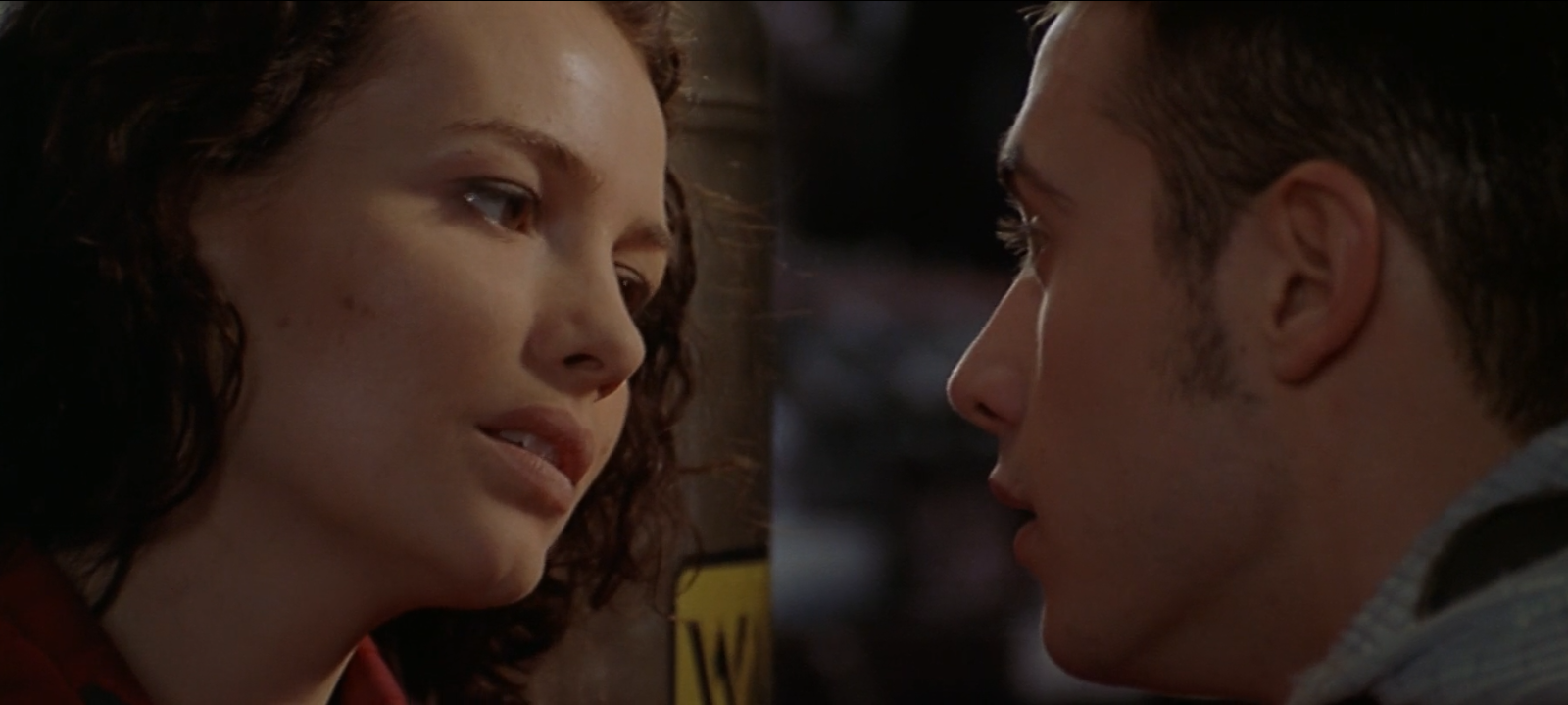
“Don’t you die on me.” -cough- “That a suggestion or an order?”
Wing Commander isn’t quite bad enough to be fascinating, and isn’t quite good enough to be satisfying. It sits in a middle zone where you can see the shape of the film it wanted to be, which makes its actual failings harder to ignore rather than easier.
The game’s fanbase deserved a proper adaptation. The cast, which includes Prinze, Lillard, Burrows, McDowell, and a pre-Lord of the Rings David Warner, deserved better material. And the concept of humanity’s desperate last stand against an alien fleet absolutely has cinematic potential.
What it got was a film where physics is optional, nobody respects orders, and the Pilgrim prejudice subplot is delivered with all the subtlety of a depth charge.
In space, no one can hear you sigh.
But we still almost got there. And that makes this movie:
Almost a Cult Classic
Almost a Cult Classic – 2/10
Potential for a remake – 8/10
